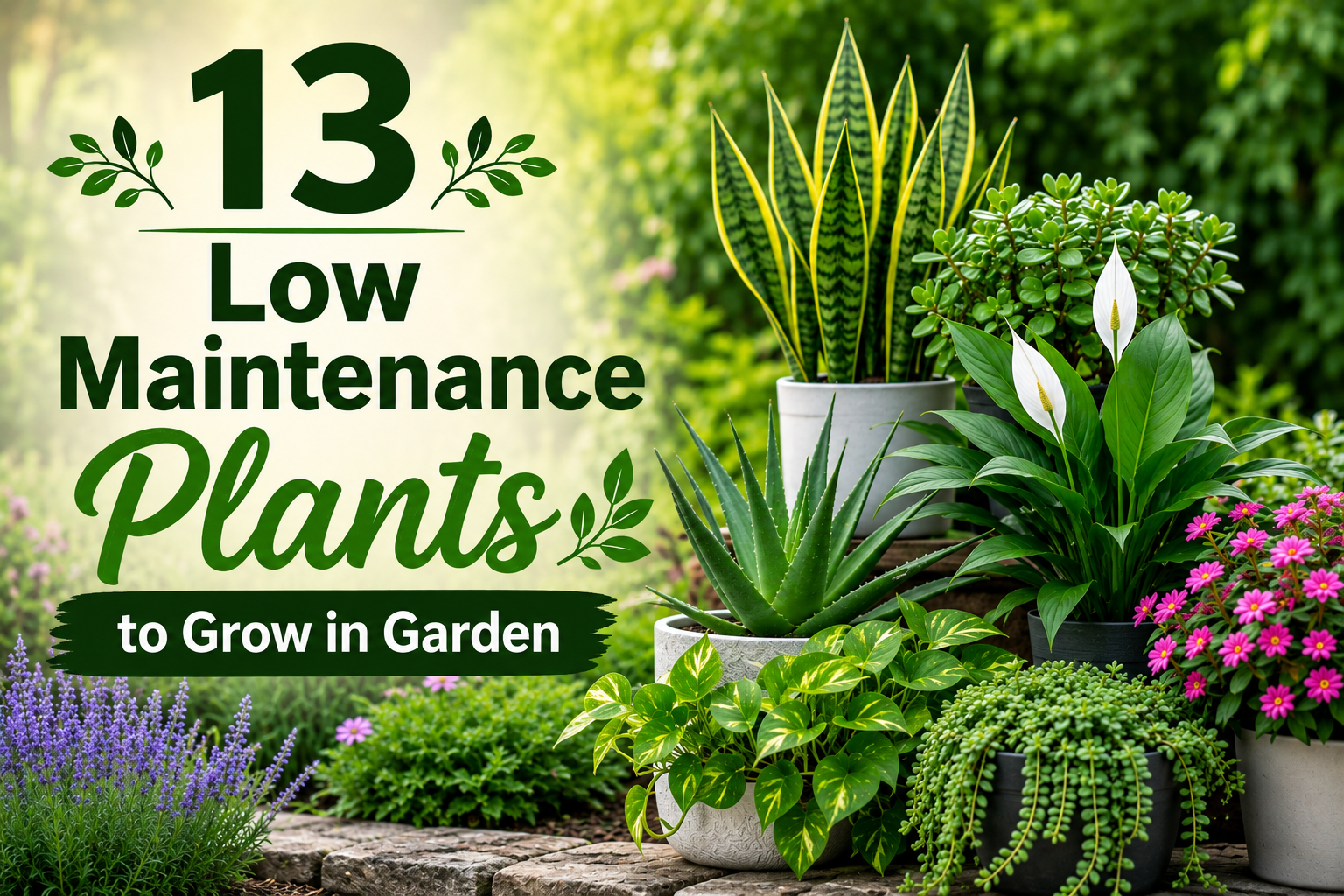
Creating a beautiful garden doesn’t have to mean spending hours watering, pruning, fertilizing, and fighting pests. With the right selection of plants, you can enjoy vibrant flowers, lush greenery, and year-round beauty while keeping maintenance to a minimum.
Whether you’re a beginner gardener, have a busy schedule, or simply want a garden that’s easy to care for, choosing low maintenance plants is the smartest decision. These hardy plants require less watering, tolerate changing weather conditions, and thrive with minimal attention.
In this guide, you’ll discover some of the best low maintenance plants to grow in your garden, practical low maintenance gardening tips, and the best plants for low maintenance garden designs.
Why Choose Low Maintenance Plants?
Low maintenance plants offer several advantages that make gardening enjoyable rather than stressful.
Save Time
You won’t need to spend every weekend pruning, watering, or replacing unhealthy plants.
Reduce Water Usage
Many low maintenance plants are drought-resistant, making them ideal for areas with limited rainfall or water restrictions.
Lower Gardening Costs
Because these plants require fewer fertilizers, pesticides, and replacements, you’ll save money over time.
Beginner-Friendly
Even if you’ve never gardened before, these plants are forgiving and easy to grow.
Year-Round Beauty
Many hardy plants remain attractive throughout different seasons with very little care.
Plants for Low Maintenance Garden
Choosing the right plants is the foundation of an easy-care landscape. Here are some of the best plants for low maintenance garden that thrive with minimal effort.
1. Lavender

Lavender is famous for its beautiful purple flowers and calming fragrance.
Why it’s low maintenance
- Drought tolerant
- Needs little fertilizer
- Attracts bees and butterflies
- Resistant to many pests
Lavender grows best in full sunlight and well-drained soil. Once established, occasional watering is enough.
2. Snake Plant
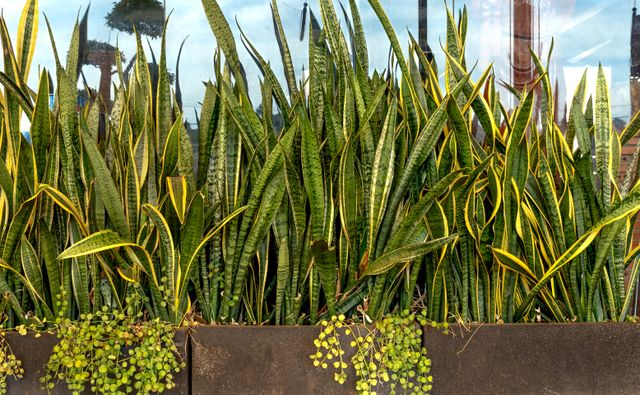
Although often grown indoors, snake plants can thrive outdoors in warm climates.
Benefits include:
- Extremely drought tolerant
- Rarely affected by pests
- Requires minimal watering
- Attractive upright foliage
It’s perfect for modern garden borders.
3. Marigold
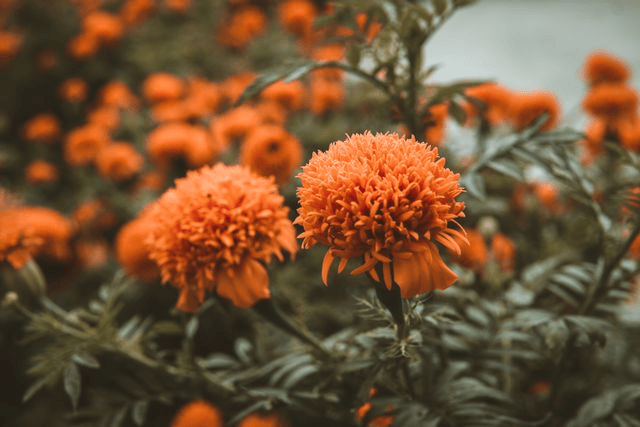
Marigolds are colorful annual flowers that brighten any garden.
Why gardeners love them:
- Easy to grow from seeds
- Long flowering season
- Repels certain insects naturally
- Minimal maintenance
Deadheading occasionally encourages more blooms.
4. Bougainvillea
Bougainvillea produces spectacular colorful bracts throughout much of the year.
Once established, it:
- Thrives in hot weather
- Needs very little watering
- Handles poor soil well
- Grows rapidly
Perfect for walls, fences, and pergolas.
5. Aloe Vera

Aloe Vera is both ornamental and useful.
Advantages include:
- Medicinal properties
- Requires infrequent watering
- Tolerates drought
- Grows well in containers or garden beds
Avoid overwatering, as it prefers dry soil.
6. Agave
Agave plants provide dramatic architectural beauty.
Features:
- Extremely drought resistant
- Very slow growing
- Requires almost no pruning
- Excellent for rock gardens
These plants thrive in sunny locations.
7. Hibiscus
Hibiscus offers large tropical blooms with relatively little effort.
Care requirements:
- Full sun
- Moderate watering
- Occasional feeding
- Light pruning
Many varieties bloom continuously during warm seasons.
8. Rosemary
Rosemary isn’t just a culinary herb—it also makes an excellent landscape plant.
Benefits:
- Evergreen
- Drought tolerant
- Pleasant fragrance
- Pest resistant
Regular harvesting naturally keeps the plant neat.
9. Daylilies
Daylilies are among the easiest flowering perennials.
Why choose them?
- Adaptable to many soil types
- Long-lasting plants
- Minimal pest issues
- Beautiful blooms every year
Divide every few years to maintain healthy growth.
10. Spider Plant
Spider plants adapt to a wide range of conditions.
They are:
- Fast growing
- Easy to propagate
- Air-purifying
- Low maintenance
They perform well in hanging baskets and garden containers.
11. Lantana
Lantana produces colorful flower clusters almost year-round.
Reasons to plant it:
- Heat tolerant
- Drought resistant
- Attracts butterflies
- Minimal care
It works well as ground cover or flowering shrubs.
12. Jade Plant
This succulent stores water in its thick leaves.
Benefits include:
- Minimal watering
- Attractive appearance
- Long lifespan
- Easy container gardening
Keep it in a sunny location.
13. Ornamental Grasses
Decorative grasses create movement and texture in gardens.
Popular advantages include:
- Wind resistant
- Low watering requirements
- Minimal pruning
- Attractive throughout the year
Most only require annual trimming.
Low Maintenance Gardening Tips
Even with hardy plants, following smart low maintenance gardening practices will make your outdoor space even easier to care for.
Choose Native Plants
Native plants naturally adapt to your local climate and soil.
They generally:
- Need less water
- Resist local pests
- Require fewer fertilizers
- Grow more successfully
Improve Soil Before Planting
Healthy soil reduces future maintenance.
Add:
- Compost
- Organic matter
- Leaf mold
- Well-rotted manure
Good soil promotes stronger root systems.
Apply Mulch
Mulching is one of the easiest ways to reduce garden work.
Benefits include:
- Retains moisture
- Suppresses weeds
- Keeps soil cool
- Improves soil quality over time
Organic mulch like bark chips or straw works especially well.
Install Drip Irrigation
Instead of watering manually every day, consider a drip irrigation system.
Advantages:
- Saves water
- Delivers moisture directly to roots
- Reduces evaporation
- Prevents fungal diseases
It also saves considerable time.
Plant According to Sunlight
Observe how much sunlight each area receives before planting.
Grouping plants by light requirements helps them thrive naturally without constant care.
Avoid High-Maintenance Plants
Some plants demand constant attention due to disease susceptibility or frequent watering.
When planning a low maintenance garden, avoid species that require:
- Daily watering
- Frequent pruning
- Heavy fertilizing
- Regular pest control
Use Ground Covers
Ground cover plants reduce weeds and prevent soil erosion.
Popular options include:
- Creeping thyme
- Liriope
- Periwinkle
- Moss rose
They also give gardens a polished appearance.
Group Plants by Water Needs
Plants with similar watering requirements should be planted together.
This makes irrigation more efficient while preventing overwatering or underwatering.
Designing a Low Maintenance Garden
A thoughtful garden design reduces long-term work.
Consider these ideas:
Keep Lawn Areas Small
Lawns require mowing, watering, fertilizing, and edging.
Replacing some grass with flower beds or gravel reduces maintenance significantly.
Add Raised Beds
Raised beds improve drainage and make weeding easier.
They’re especially useful for herbs and vegetables.
Use Decorative Gravel
Gravel pathways reduce weeds while adding texture to the landscape.
They also eliminate the need for frequent mowing.
Plant Evergreen Shrubs
Evergreen plants provide year-round structure without seasonal replanting.
Common Mistakes to Avoid
Even easy-care gardens can become high maintenance if planned poorly.
Avoid these mistakes:
- Planting too close together
- Overwatering drought-tolerant plants
- Ignoring soil drainage
- Choosing plants unsuitable for your climate
- Forgetting to mulch
- Excessive fertilization
Simple planning prevents many future problems.
Seasonal Plant Care Checklist
Even low maintenance gardens benefit from occasional attention.
Spring
- Remove dead leaves
- Add compost
- Check irrigation
Summer
- Water during prolonged dry periods
- Remove faded flowers
- Watch for pests
Autumn
- Refresh mulch
- Prune damaged branches
- Plant new perennials
Winter
- Protect frost-sensitive plants
- Reduce watering
- Clean garden tools
These simple seasonal tasks keep your garden healthy throughout the year.
Benefits of a Low Maintenance Garden
A low maintenance garden offers more than convenience.
It can:
- Reduce stress
- Save water
- Lower gardening expenses
- Support pollinators
- Increase your home’s curb appeal
- Provide year-round greenery
- Require less physical effort
- Be environmentally friendly
With thoughtful planning, your garden can remain beautiful while demanding very little work.
Growing a stunning garden doesn’t require endless hours of hard work. By selecting the right plants for low maintenance garden spaces and following smart low maintenance gardening practices, you can create an outdoor area that’s both attractive and easy to manage.
Plants like lavender, aloe vera, rosemary, bougainvillea, lantana, agave, daylilies, ornamental grasses, and marigolds are excellent choices because they thrive with minimal watering, pruning, and fertilizing. Pair these hardy plants with mulch, healthy soil, drip irrigation, and proper garden planning, and you’ll enjoy a lush landscape that stays beautiful throughout the seasons.
Whether you’re a beginner or an experienced gardener looking to simplify your routine, a low-maintenance garden lets you spend less time working and more time relaxing outdoors.
Frequently Asked Questions (FAQs)
1. What are the best low maintenance plants for beginners?
Lavender, marigolds, aloe vera, rosemary, lantana, snake plants, and daylilies are excellent beginner-friendly choices because they require minimal watering and care.
2. How often should I water low maintenance plants?
Most established low maintenance plants only need watering once or twice a week, depending on the weather, soil type, and plant variety.
3. What is the secret to low maintenance gardening?
The key is choosing drought-tolerant plants, applying mulch, improving soil quality, grouping plants with similar water needs, and installing efficient irrigation systems.
4. Can I grow a low maintenance garden in pots?
Yes. Plants like aloe vera, rosemary, jade plant, snake plant, spider plant, and lavender grow very well in containers with proper drainage.
5. Do low maintenance plants still need fertilizer?
Yes, but much less than demanding plants. Applying compost or a balanced slow-release fertilizer once or twice a year is usually sufficient for healthy growth.