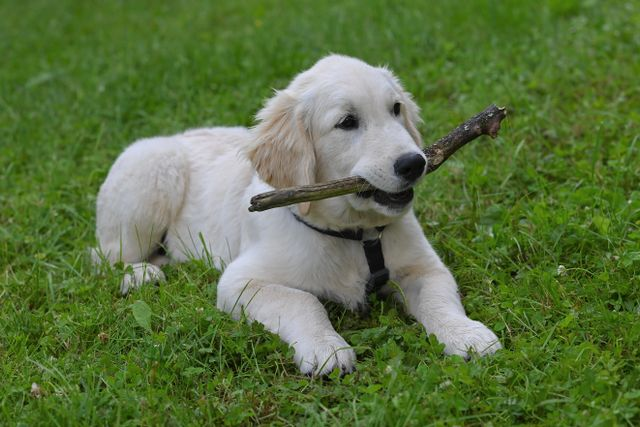
Bringing home a new puppy is an exciting and rewarding experience, especially if it’s your first dog. Puppies are full of energy, curiosity, and affection, but they also require guidance to grow into well-behaved adult dogs. Without proper training, puppies can develop habits like excessive barking, chewing furniture, jumping on guests, or ignoring commands. Fortunately, with patience, consistency, and positive reinforcement, you can teach your puppy good manners from an early age. This guide covers ten essential puppy training tips that every first-time owner should know. By following these practical steps, you’ll build a strong bond with your furry companion while creating a happy and well-disciplined home.
1. Start Training from Day One
One of the biggest mistakes new puppy owners make is waiting too long before starting training. Puppies begin learning as soon as they arrive in their new environment, so it’s important to establish rules and routines immediately. Start by teaching your puppy its name, where to sleep, where to eat, and where to go potty. Introduce simple commands like “sit” and “come” using a calm and encouraging tone. Keep training sessions short—around five to ten minutes—because young puppies have limited attention spans. Daily practice is much more effective than occasional long sessions. Beginning early helps your puppy understand expectations and prevents bad habits from becoming difficult to correct later.
Simple lessons include:
- Learning their name
- Coming when called
- Sitting calmly
- Waiting before meals
- Walking politely on a leash
2. Use Positive Reinforcement
Positive reinforcement is widely considered the most effective and humane method of puppy training. Instead of punishing mistakes, reward your puppy whenever it displays the behavior you want. Rewards can include small treats, enthusiastic praise, favorite toys, or a few minutes of playtime. For example, if your puppy sits on command, immediately reward it so the behavior is associated with something enjoyable. Timing is crucial—the reward should come within a few seconds of the desired action. Avoid yelling or physical punishment, as these methods can create fear and damage your puppy’s trust. A positive learning environment encourages confidence and motivates your puppy to keep learning.
Reward behaviors you want to encourage using:
- Small treats
- Praise
- Toys
- Belly rubs
- Playtime
For example:
When your puppy sits after being asked, immediately reward them with a treat and enthusiastic praise.
3. Establish a Consistent Daily Routine
Dogs thrive on routine because it helps them understand what to expect throughout the day. Create a schedule for feeding, potty breaks, exercise, training sessions, naps, and bedtime. Feeding your puppy at the same times every day also makes house training much easier because you’ll learn when your puppy needs to go outside. Consistency should also extend to family members. Everyone in the household should use the same commands and follow the same rules to avoid confusing the puppy. A structured routine reduces anxiety, improves behavior, and helps your puppy adapt quickly to its new home.
Everyone in the household should use the same:
- Commands
- Rules
- Rewards
- Boundaries
4. Master Potty Training with Patience
Potty training is one of the first challenges every puppy owner faces. Success depends on patience, consistency, and careful observation. Take your puppy outside first thing in the morning, after meals, after naps, after playtime, and before bedtime. Choose the same outdoor spot each time so your puppy recognizes it as the bathroom area. Praise and reward your puppy immediately after it finishes eliminating outdoors. If accidents happen inside the house, clean them thoroughly using an enzyme-based cleaner and avoid punishment. Remember that young puppies have limited bladder control, so frequent bathroom breaks are essential. With consistent practice, most puppies become reliably house-trained within a few months.
Take your puppy outside:
- After waking up
- After eating
- After drinking
- After playing
- Before bedtime
- Every 2–3 hours
Always take them to the same bathroom spot.
When they successfully go outside:
- Praise immediately
- Offer a treat
- Stay cheerful
If accidents happen indoors, simply clean them thoroughly without punishment.
5. Socialize Your Puppy Early
Socialization plays a major role in shaping your puppy’s personality and confidence. During the first few months of life, introduce your puppy to a variety of people, friendly vaccinated dogs, different environments, household sounds, and everyday experiences. Positive exposure helps prevent fear, anxiety, and aggression later in life. Allow your puppy to experience parks, sidewalks, car rides, grooming sessions, and different types of flooring. Keep each experience positive by offering treats and praise. Never force interactions if your puppy seems frightened. Gradual, enjoyable socialization helps raise a friendly, adaptable dog that feels comfortable in new situations and around unfamiliar people.
ntroduce your puppy safely to:
- Different people
- Children
- Friendly vaccinated dogs
- Various sounds
- New environments
- Different surfaces
- Car rides
- Grooming tools
6. Teach Basic Obedience Commands
Basic obedience training provides the foundation for good behavior throughout your dog’s life. Begin with simple commands such as “Sit,” “Stay,” “Come,” “Down,” and “Leave It.” These commands improve communication while also keeping your puppy safe in potentially dangerous situations. Use treats and praise to reward successful responses, and practice in a quiet environment before introducing distractions. Keep each session short and fun to maintain your puppy’s interest. As your puppy masters each command, gradually increase the difficulty by practicing outdoors or around other people. Regular practice helps reinforce learning and strengthens the bond between you and your puppy.
| Command | How to Teach It |
| Sit | 1. Hold a treat above your puppy’s nose. 2. Move it backward until they naturally sit. 3. Reward immediately. |
| Stay | 1. Ask your puppy to sit. 2. Take one step back. 3. If they remain seated, reward them.4. Increase the distance gradually. |
| Come | 1. Use a cheerful voice. 2. Call your puppy’s name followed by “Come!” 3. Reward every successful recall generously. 4. Never punish your puppy after they come to you. |
| Leave It | 1. Place a treat in your closed hand. 2. When your puppy stops trying to grab it, reward them with a different treat. 3. This command can help prevent dangerous situations. |
7. Manage Chewing and Biting Behavior
Chewing and playful biting are completely normal puppy behaviors, especially during the teething stage. Instead of trying to eliminate chewing, redirect it toward appropriate toys designed for puppies. Provide rubber chew toys, rope toys, and teething rings to satisfy your puppy’s natural urge to chew. If your puppy bites your hands during play, calmly stop the game and offer a toy instead. Avoid rough play that encourages biting. Keep valuable items like shoes, electrical cords, and remote controls out of reach to prevent accidents. Consistently rewarding appropriate chewing habits teaches your puppy which items are acceptable and which are off-limits.
8. Crate Train for Safety and Comfort
Crate training provides your puppy with a secure, comfortable place to rest while also making house training easier. When introduced correctly, most dogs view their crate as a safe den rather than a punishment. Place soft bedding and a few toys inside the crate, and encourage your puppy to explore it voluntarily. Feed meals near or inside the crate to create positive associations. Begin with short periods and gradually increase the time your puppy spends inside. Never use the crate as punishment or leave your puppy confined for excessive periods. Proper crate training helps prevent destructive behavior, supports travel, and offers your puppy a place to relax when feeling overwhelmed.
Benefits of crate training include:
- Easier potty training
- Reduced destructive chewing
- Better sleep routines
- Safe transportation
- Lower separation anxiety
Never use the crate as punishment.
Instead:
- Place comfortable bedding inside.
- Leave the door open initially.
- Reward your puppy for entering voluntarily.
- Gradually increase crate time.
9. Exercise and Mental Stimulation Are Essential
A well-exercised puppy is usually calmer, happier, and easier to train. Daily physical activity helps burn excess energy while reducing boredom-related behaviors such as chewing, barking, or digging. Depending on your puppy’s age and breed, activities may include short walks, games of fetch, gentle play, or supervised outdoor exploration. Mental exercise is equally important. Puzzle feeders, interactive toys, hide-and-seek games, and basic obedience training challenge your puppy’s brain and prevent boredom. Combining physical and mental stimulation creates a balanced routine that supports healthy development and encourages good behavior both indoors and outdoors.
10. Be Patient and Stay Consistent
Training a puppy is a gradual process that requires patience, understanding, and consistency. Every puppy learns at its own pace, and setbacks are a normal part of the journey. Instead of expecting immediate results, focus on celebrating small improvements and reinforcing positive behaviors every day. Use the same commands, maintain regular routines, and respond calmly when mistakes happen. Avoid comparing your puppy’s progress with others, as different breeds and personalities learn differently. Remember that your puppy is still discovering the world and depends on your guidance. Consistent training, kindness, and encouragement will help your puppy become a confident, obedient, and loving lifelong companion.
Training your first puppy may seem challenging at the beginning, but the effort you invest today will shape your dog’s behavior for years to come. By starting training early, using positive reinforcement, maintaining a consistent routine, and providing proper socialization, you’ll lay a strong foundation for lifelong success. Remember that every puppy learns at its own pace, so patience and persistence are essential. Keep training sessions enjoyable, reward good behavior, and focus on building trust rather than demanding perfection. With time, dedication, and plenty of love, your puppy will grow into a well-mannered, confident, and loyal companion that becomes a cherished member of your family.
Frequently Asked Questions
1. When should I start training my puppy?
You should begin training as soon as your puppy comes home, usually around 8 weeks of age. Early training helps establish good habits and prevents unwanted behaviors.
2. How long should puppy training sessions last?
Training sessions should be short, around 5–10 minutes, two or three times a day. Puppies have short attention spans and learn best through frequent practice.
3. What is the best way to potty train a puppy?
Take your puppy outside regularly, especially after meals, naps, and playtime. Reward successful potty breaks with treats and praise, and avoid punishing accidents indoors.
4. Should I use treats during training?
Yes. Treats are an excellent reward for teaching new behaviors. As your puppy becomes more reliable, gradually replace treats with praise, toys, or affection.
5. Is crate training necessary for puppies?
Crate training is highly recommended because it provides a safe resting place, helps with house training, reduces destructive behavior, and makes traveling easier.